Before
Fillers that gap, appliance panels that never sit flush, and drawers that hit the trim — all signs that the room was measured after the cabinets were ordered.

Shop-drawn. Box-jointed. Signed inside.
We do not install flat-pack cabinets. Every cabinet we produce is shop-drawn from on-site measurements, box-jointed or dovetailed at the corners, and fitted with inset or overlay doors cut to the opening — not to a standard dimension. The difference is apparent the first time you close the door.
Installation begins with a level line, regardless of whether the floor or ceiling is level. Cabinets shimmed to plumb and level read as intentional. Cabinets racked to follow an out-of-level floor look like they were installed by someone working quickly. The scribe molding where the cabinet meets the wall is cut, not caulked.

Cabinet problems show up in everyday annoyance: a drawer that hits trim, filler that looks accidental, a refrigerator panel that never sits right, or storage that misses the way the room is used.
Nova treats cabinetry as part of the architecture. We verify measurements, clearances, hardware, appliance specs, trim, crown, and surrounding finishes before installation begins.
Fillers that gap, appliance panels that never sit flush, and drawers that hit the trim — all signs that the room was measured after the cabinets were ordered.
Cabinetry drawn from the actual room, installed level regardless of floor or ceiling, with doors and drawers that operate correctly ten years from now.
Not every remodeler thinks this way. These are the commitments that separate a careful project from a forgettable one.
We measure the actual room, produce shop drawings from those measurements, and build to the drawing. Variations between plan dimensions and field dimensions are resolved before production, not during installation.
The scribe at a wall is a thin piece of material cut to the exact profile of the wall — every bump, every wave. A caulked gap is a gap. A scribed fit is a joint.
Initials and date, in ink, on the inside of a drawer face when the job is complete. You have our number for the rest of the cabinet's life. It is a small thing that means something to us.

The page shows the condition, protection, and layout work that happens before finish materials appear.
Mid-project imagery makes the company feel real and communicates skill without overexplaining it.

Finish-stage visuals connect the technical work to the polished result homeowners are buying.
Interior remodeling is won in prep: substrate repair, trim alignment, layout marks, acclimation, and the order in which each trade touches the room.
Walls, floors, and openings are assessed before finish work so uneven framing or damaged substrate does not telegraph through the final product.
Paint, millwork, tile, flooring, and lighting are sequenced together so one beautiful decision does not create a problem for the next trade.
Floors, HVAC returns, adjacent rooms, and furniture paths are protected with the same seriousness as the work area itself.
One crew per Houston remodeling project, start to finish. The same people who frame your kitchen are the ones who set the tile, repair drywall, install flooring, and hang the cabinets. No handoffs, no strangers mid-project, no timeline surprises.
A long conversation, in your home. We walk every room, measure what matters, and listen before we offer a single idea. Observation first.
Every cabinet measured on site before anything is ordered. Materials confirmed, scope locked, sequence mapped. Nothing moves to production until the plan is solid.
Our in-house crew handles framing, cabinetry, tile, and finish work. Same people, start to finish. No handoffs, no surprises.
We sign the inside of a drawer face when we leave. Initials, date, and a number you can call for the rest of the house's life.
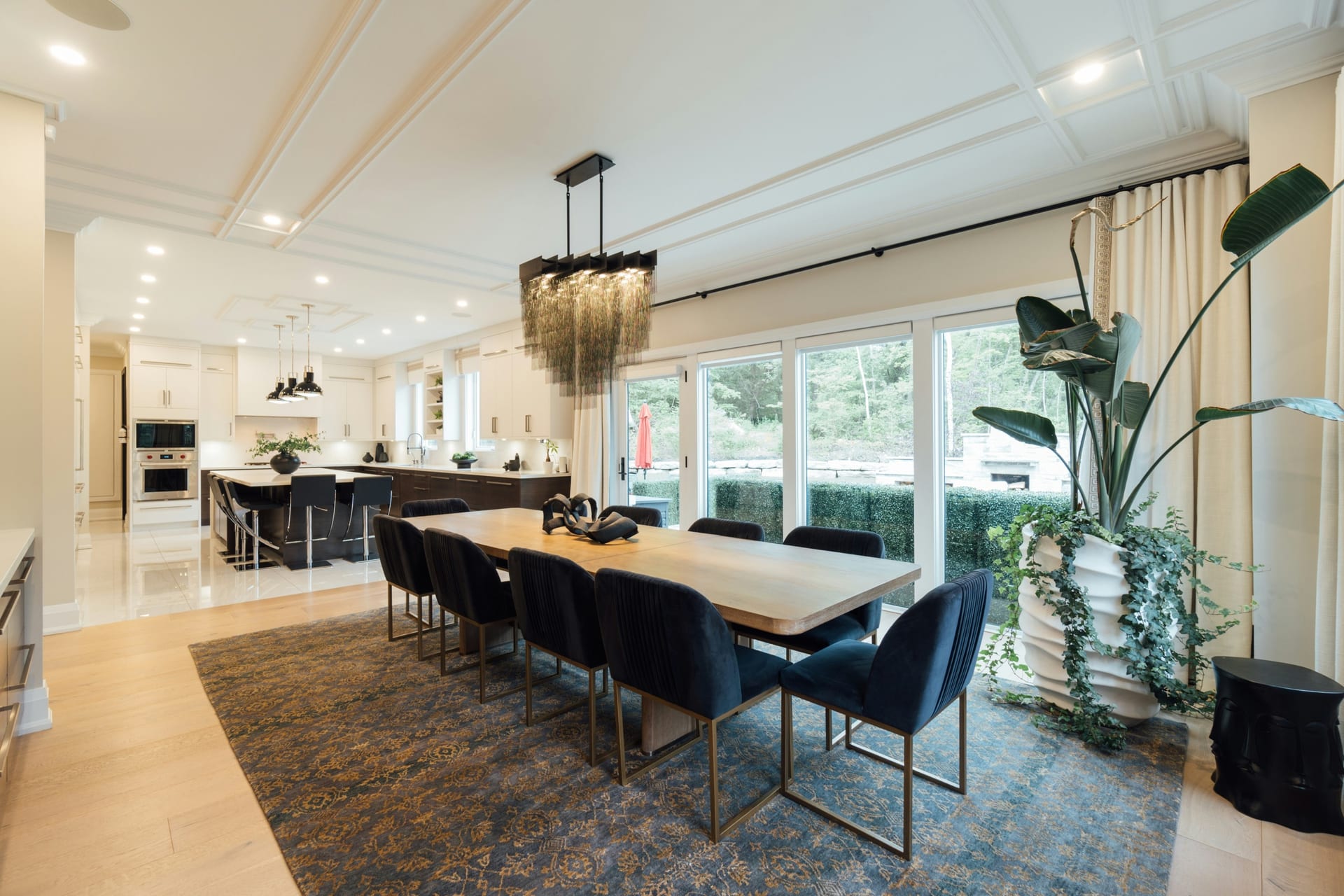
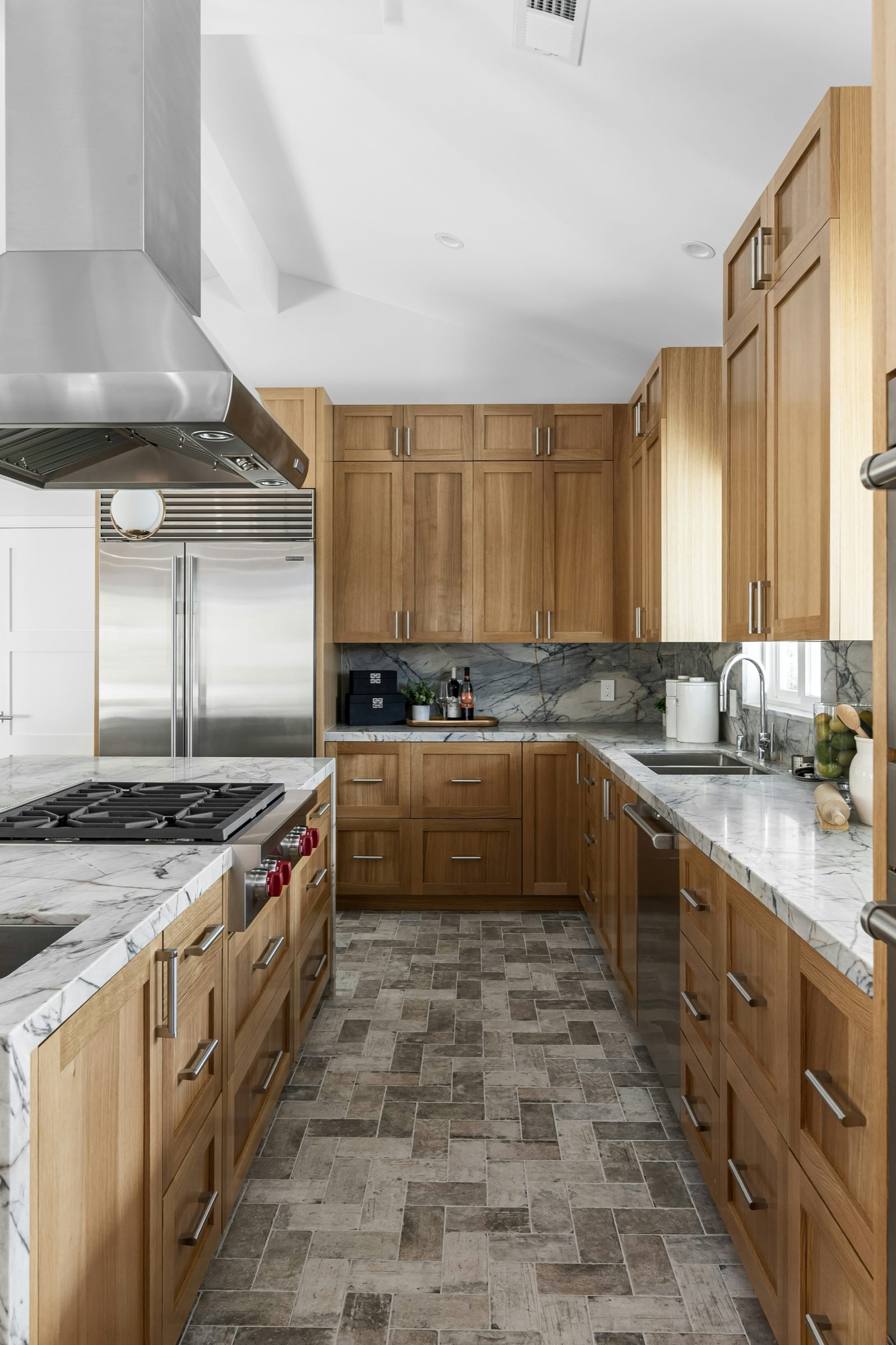

Interior work in Houston has to account for high humidity, busy family schedules, slab-on-grade conditions, and a wide mix of home ages from Heights bungalows to newer west-side construction.
Most of our interior work is in homes within twenty minutes of the 610 loop, though we travel for the right scope.
Honest answers to the questions that come up in every first conversation about this type of work.
We start by understanding the room, the frustrations, the desired finish level, and the constraints. From there, we can recommend the right scope rather than fitting a standard package onto a house that deserves better.
Got a repair instead of a full remodel? Send photos of your repair for a faster estimate — drywall patches, door fixes, trim, caulking, and fence repairs all count.